What we work on
Bounce
Resilience under pressure, tactical calm, and fast recovery.
Grow
Sleep, nutrition, rhythm, focus and impulse control.
Connect
EQ, empathy, influence and leadership flexibility.
Flow
Optimal performance, situational agility and leading for flow.
Bounce
Stress Mastery
The neurobiology of stress and reactivity. Why we get triggered, what happens in the body and brain, and practical tools to regulate masterfully.
Bounce
Bouncing Forward
Post-adversity growth, antifragility, and the science of recovering stronger. For teams navigating change, loss, or sustained pressure.
Grow
High-Performance Foundations
Sleep, movement, nutrition, daily rhythm and recovery. The physiological conditions for sustained performance. Co-facilitated with Dr Sven Hansen.
Grow
Tactical Calm
The neurobiology of fight, flight and freeze and practical tools to elevate your baseline.
Connect
EQ in Practice
Self-awareness, emotional regulation and constructive empathy. Emotional intelligence competencies applied to real leadership situations.
Connect
Influence & Negotiation
Interest-based negotiation, persuasion, and how to navigate conflict effectively.
Flow
Leading Under Pressure
Decision-making clarity, trust under pressure, and leading when stakes are high and information is incomplete.
Flow
Flow
Aligning challenge with skill to achieve the optimal performance state. How to recognise flow, build the conditions for it, and lead others into it.
Flow
Fulfilment & Purpose
Defining purpose and achieving fulfilment. How to align your work with what matters most.
Emotionally intelligent
Conflict Resolution
Workshops and one-to-one coaching for teams and leaders working through conflict. Lauren Hansen combines her experience as an M&A lawyer and competitive negotiator with Resilience Institute expertise in emotional intelligence and stress mastery to bring emotionally intelligent, principled negotiation into uniquely powerful conflict resolution.
Enquire about conflict resolutionClient Experience of Lauren's delivery
As a small business with a growing team and constant changes while scaling up, we struggled slightly to find a flow and maintain resilience when working across different team areas and communicating the best process approaches with each other. We were recommended this course through a friend to help our team connect and be more resilient in the day to day operations, we all found the course very helpful across many areas both personal and professional and have started implementing the changes and tools required to build a stronger working environment.
Workshop Formats
Professionally facilitated
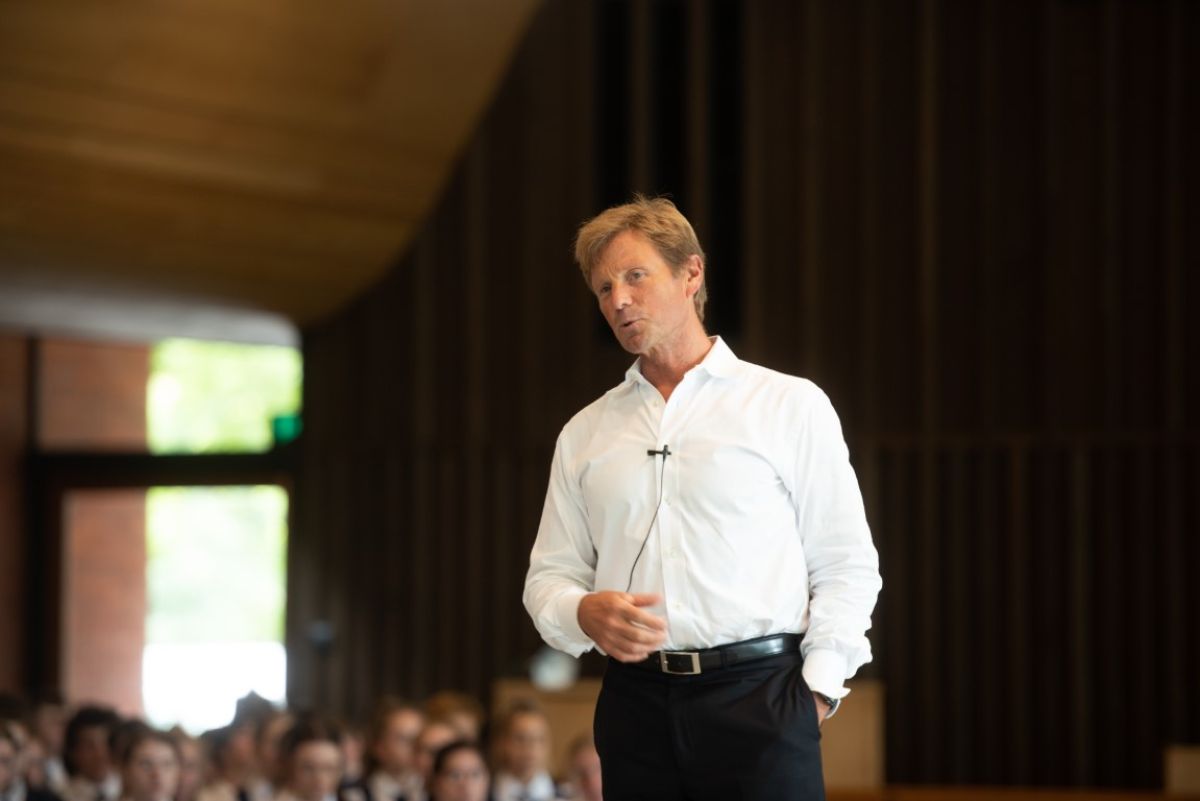
We build shared language with precision, mitigate risks and build strengths. Every participant leaves with a written plan and the group leaves with a collective commitment to support high performance.
Built on the Resilience Institute methodology.
60–90 Min Talk or Webinar
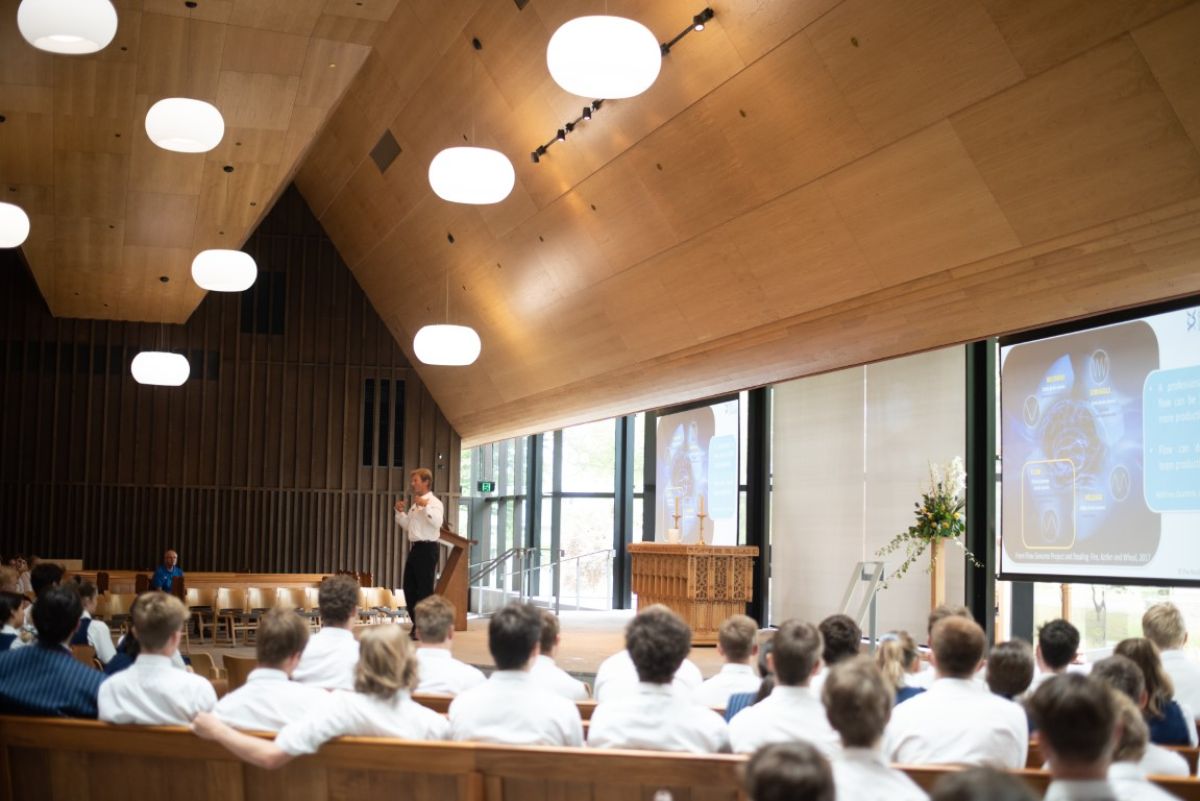
An introduction to the neurobiology of tactical calm, emotional reaction and performance under pressure. Works as a keynote, conference session, or lunch-and-learn.
Half-Day Workshop, 3–4 hours
A focused session built around one challenge your team is navigating right now: difficult conversations, trust under pressure, emotional volatility, influence.
Full-Day Workshop, 6–7 hours
A deeper dive across physical, cognitive and emotional competencies. Morning: individual assessment debrief and the science of self-mastery. Afternoon: applied workshops built from the team's focus areas.
The Resilience Programme — 4 Sessions
The flagship offer. Four half-day sessions delivered over three to four months, built around the Bounce, Grow, Connect, Flow framework. Participants are assessed at the start and re-assessed at the end.
The Difference
Standard training compared to our bespoke approach
Standard training
Generic resilience content
Buzz words and trend following
Same slides for everyone
Motivating lecture
One facilitator
No data before or after
This programme
Built from your team's live diagnostic data
Grounded in 25 years of rigorous medical evidence
Tailored to the assessment results of your group
A facilitated conversation and follow-up structure
Truly interdisciplinary wisdom
Before and after group resilience report
The Business Case
Independent research consistently shows that investing in employee resilience and wellbeing delivers measurable financial returns through reduced turnover, lower absenteeism, and higher productivity.
Most programmes fail at implementation. We build the plan with you, from your data, so your team leaves owning their commitments.
Sources: Baicker, Cutler & Song, Health Affairs (2010); Deloitte Mental Health and Employers Report (2022); McKinsey & Company; Resilience Institute Global Research.
Frequently Asked Questions
What is resilience training?
Structured, evidence-based training that builds the physical, emotional, cognitive and social skills people draw on under pressure. Bounce & Flow programmes are built on Resilience Institute research and start from a validated assessment rather than a generic curriculum.
How long is a resilience workshop?
Formats range from a 60–90 minute talk or webinar, to a half-day workshop of three to four hours, to a full-day workshop of six to seven hours. The flagship Resilience Programme runs as four half-day sessions across three to four months.
Where do you deliver resilience training?
Bounce & Flow is based in Auckland and delivers in person throughout New Zealand, with online and in person delivery available globally by request.
What does the Resilience Assessment cost?
The individual Resilience Assessment is NZD $95 and takes about seven minutes, with an instant personal report. An optional 90-minute one-to-one debrief with Lauren Hansen is NZD $575.
How is Bounce & Flow related to the Resilience Institute?
Dr Sven Hansen founded the Resilience Institute and is the architect of its Resilience Assessment. Bounce & Flow delivers Resilience Institute programmes in New Zealand, led by Lauren Hansen with Dr Sven Hansen.
Can you measure whether the training worked?
Yes. Programmes begin with a validated 50-factor assessment and can be re-run afterwards, producing a before-and-after comparison across physical, cognitive, emotional and social factors.